




Dental Implants
A Permanent and Natural Solution for Missing Teeth
What are dental implants? Dental implants are one of the most advanced and reliable treatments for replacing missing teeth, offering a long-term solution that looks, feels, and functions like natural teeth.
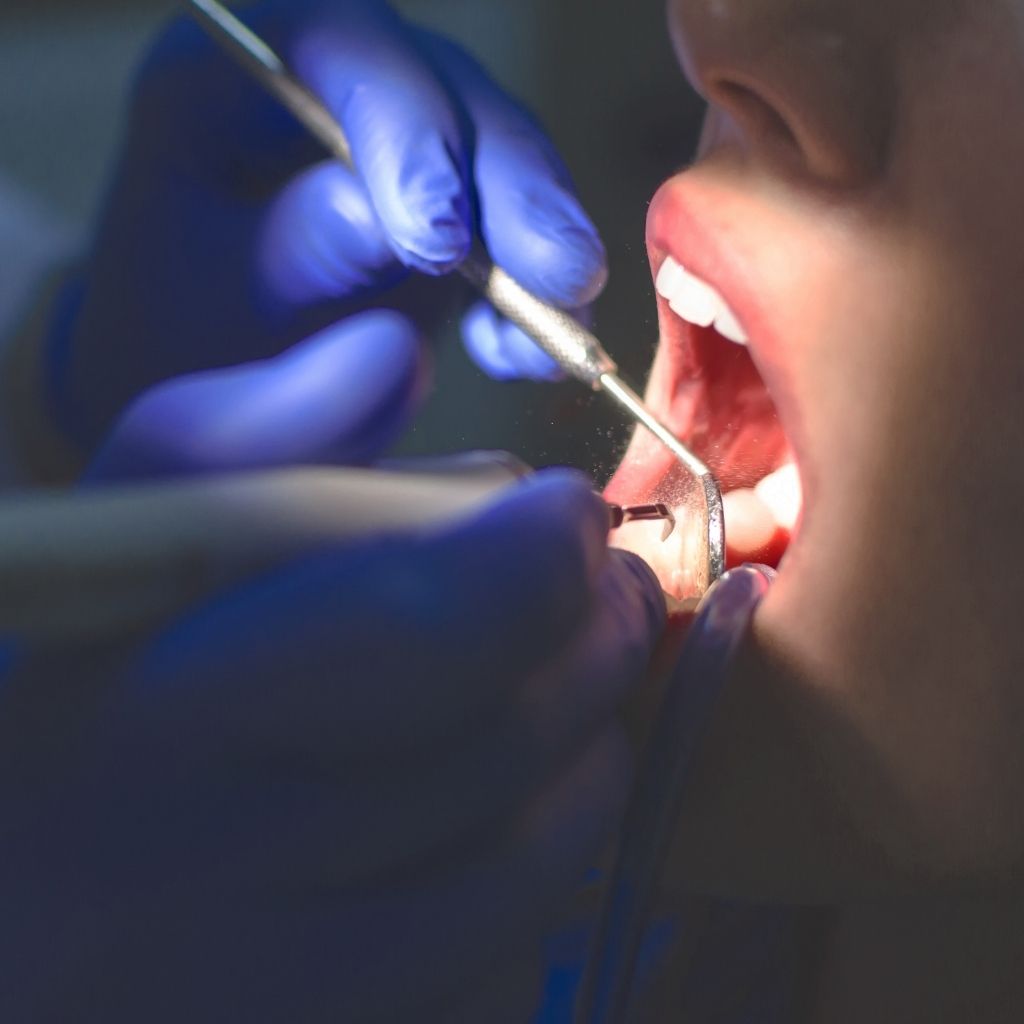
What Is a Dental Implant? How Is Implant Treatment Performed, and Who Is It Suitable For?
A dental implant is an artificial tooth root—usually made of titanium—placed into the jawbone to restore the function and aesthetics of missing teeth. With proper planning and correct execution, implant treatment is considered the closest and most long-lasting solution to a natural tooth for replacing missing teeth.
However, implant treatment is not merely about placing a screw into the bone. A successful implant treatment requires surgical expertise, biological compatibility, precise planning, and long-term thinking.
Why Is Tooth Loss Important?
Losing one or more teeth is not just an aesthetic issue. Over time, it can lead to:
Impaired chewing function
Shifting of adjacent teeth toward the empty space
Overeruption of opposing teeth
Jawbone resorption (bone loss)
Bite disorders and joint problems
Facial collapse and an aged appearance
Loss of self-confidence and social withdrawal
For this reason, tooth loss is not a condition to be “managed,” but a health problem that requires treatment.
What Does a Dental Implant Provide?
Implant treatment does not only restore the appearance of a missing tooth; it also:
Provides chewing strength close to that of a natural tooth
Does not require cutting adjacent healthy teeth
Stimulates the jawbone and prevents bone loss
Offers fixed and secure use
Creates a comfortable and long-lasting solution
When applied correctly, an implant offers the feeling of having your own tooth—not a removable prosthesis.
Who Is Suitable for Implant Treatment?
Implant treatment is generally suitable for individuals who:
Have lost one or more teeth
Do not want to use removable dentures
Do not want to cut healthy teeth for a bridge
Are looking for a stronger, fixed, and long-lasting solution
Why Is a Suitability Assessment Necessary?
Not every patient is automatically suitable for implants. The following factors must be evaluated:
Quantity and quality of the jawbone
Gum health
General health status (e.g., uncontrolled diabetes)
Smoking habits
Oral hygiene practices
Bite (occlusion) condition
Stating that “implants are suitable” without this evaluation is neither scientific nor ethical.
How Is Implant Treatment Planned?
The foundation of high-quality implant treatment is accurate planning. This planning includes:
1) Detailed examination
Intraoral clinical evaluation
Analysis of gums and soft tissues
2) Radiological assessment
Panoramic X-ray
3D tomography (CBCT) when necessary
These images allow precise evaluation of bone thickness, bone height, the position of sinuses and nerves, and the implant’s angle and placement position.
3) Personalized surgical planning
The implant’s diameter, length, angle, and placement depth are determined specifically for the patient.
There is no such thing as a “standard implant plan.”
What Are the Stages of Implant Treatment?
1) Surgical stage (implant placement)
When suitable conditions are met, the implant is placed into the bone under local anesthesia. For most patients, this procedure is far more comfortable than expected.
2) Healing and bone integration (osseointegration)
The implant must biologically integrate with the bone. This process varies depending on the patient and bone structure.
3) Prosthetic stage (upper restoration)
After healing is complete, the tooth is placed on the implant. At this stage, aesthetics, function, and bite balance are evaluated together.
If There Is Not Enough Bone, Can an Implant Still Be Placed?
This is a very common question.
The answer: Not always no.
In cases of insufficient bone, the following options may be considered:
Bone grafting (bone powder applications)
Sinus lifting (for upper posterior regions)
Alternative implant placements
Different surgical techniques
However, these procedures are not suitable for every case. The decision is made after X-ray and tomography evaluation.
Single-Tooth, Multiple-Tooth, and Full-Mouth Implant Treatments
Implant treatment can be planned according to different needs:
Single-tooth implant
One of the most conservative solutions
Does not damage adjacent teeth
Multiple-tooth implants
Fixed bridges or restorations can be performed
Full-mouth implant treatments
Applied to patients with no teeth or those requiring full extraction
Strong and aesthetic results are achieved with fixed implant-supported teeth
In such cases, implant number, bone condition, and chewing forces are evaluated together.
Does Implant Treatment Hurt?
The procedure is performed under local anesthesia.
After surgery, mild sensitivity may occur; however, it is usually short-lived, controlled with medication, and does not significantly disrupt daily life.
Most patients report that the process is much more comfortable than they expected.
How Long Do Implants Last?
The answer in one word: planning.
Factors affecting implant longevity include surgical accuracy, correct positioning, balanced bite, gum health, oral hygiene, and regular follow-ups.
With proper application and good care, implants can be used successfully for many years.
What Should Be Considered After Implant Treatment?
Maintain good oral hygiene
Attend regular dental check-ups
Limit smoking
Avoid breaking hard objects with teeth
Use a night guard when necessary
An implant does not mean “maintenance-free”; it requires proper care.
What Determines the Cost of Implant Treatment?
Implant treatment cost is not determined solely by the number of implants. It depends on:
The implant brand used
Number of implants
Need for bone grafting or additional surgery
Type of restoration (zirconia, porcelain, etc.)
Case complexity
Experience of the treating dentist
Therefore, an accurate price can only be determined after examination and imaging.
Frequently Asked Questions
Can implants be rejected by the body?
With proper planning and suitable conditions, the risk is very low. However, smoking, uncontrolled systemic diseases, and poor hygiene can increase the risk.
Can implants be done at any age?
They can be placed after bone development is complete. There is no upper age limit; general health is the key factor.
Implant or bridge?
The decision depends on the condition of adjacent teeth, bone structure, and long-term expectations. The best option varies for each patient.
Conclusion: Implant Treatment Is Not a “Screw,” It Is a System
Implant treatment is a process where surgery, biology, aesthetics, and function are managed together. The goal should be a solution that works not only in the short term, but reliably for many years.
The key to success is:
correct planning + correct application + regular follow-up